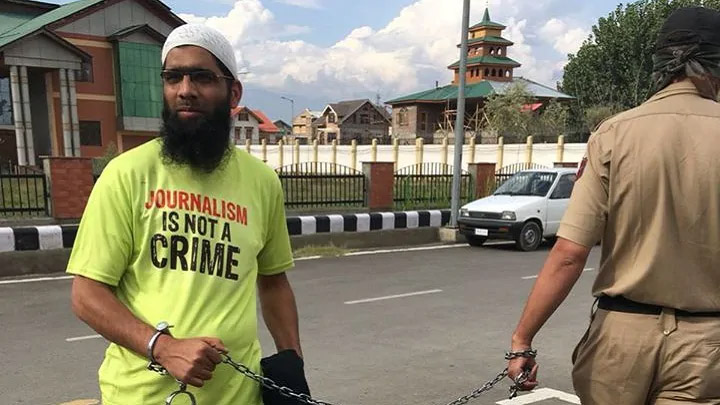
In Jail Since 2019, Engineer Rashid Declares Assets Increased, Liabilities Reduced In Five Years
Independent candidate from the Baramulla Lok Sabha seat Abdul Rashid Sheikh, who is lodged in Tihar for alleged terror-funding activities, has significantly reduced his liabilities and increased assets in the last five years, his poll affidavit shows.
Read more





Video: Beyond The Headlines | Shakeel Qalandar In Conversation With Nazir Ganaie













In Jail Since 2019, Engineer Rashid Declares Assets Increased, Liabilities Reduced In Five Years
Independent candidate from the Baramulla Lok Sabha seat Abdul Rashid Sheikh, who is lodged in Tihar for alleged terror-funding activities, has significantly reduced his liabilities and increased assets in the last five years, his poll affidavit shows.

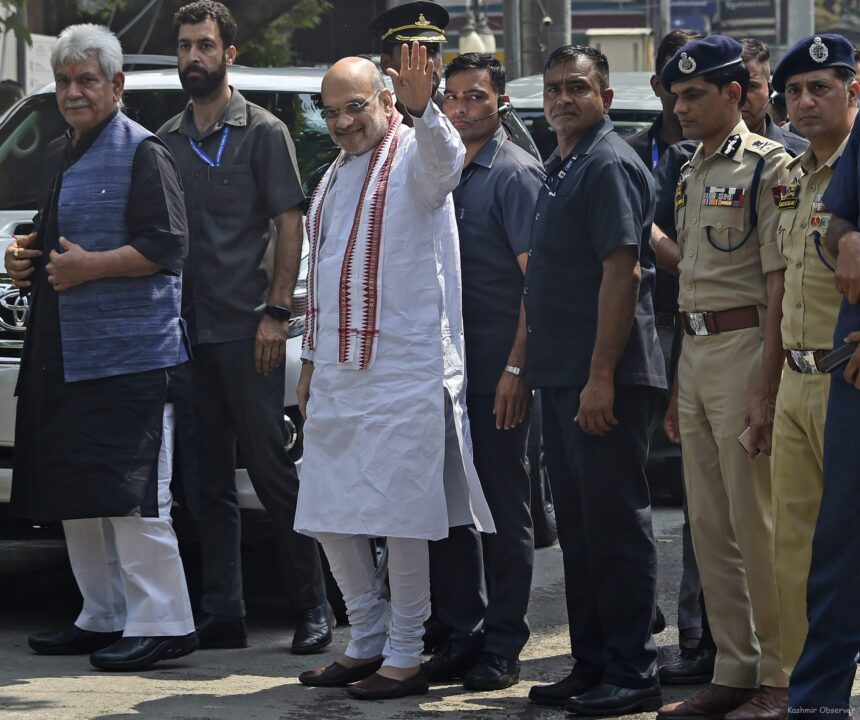
Amit Shah Visited Kashmir To Direct BJP, Its ‘Proxies’ On Defeating NC: Omar
Union Home Minister Amit Shah visited Kashmir to issue directions to the administration, the BJP and its "proxies" on defeating the National Conference, party leader Omar Abdullah alleged on Saturday.
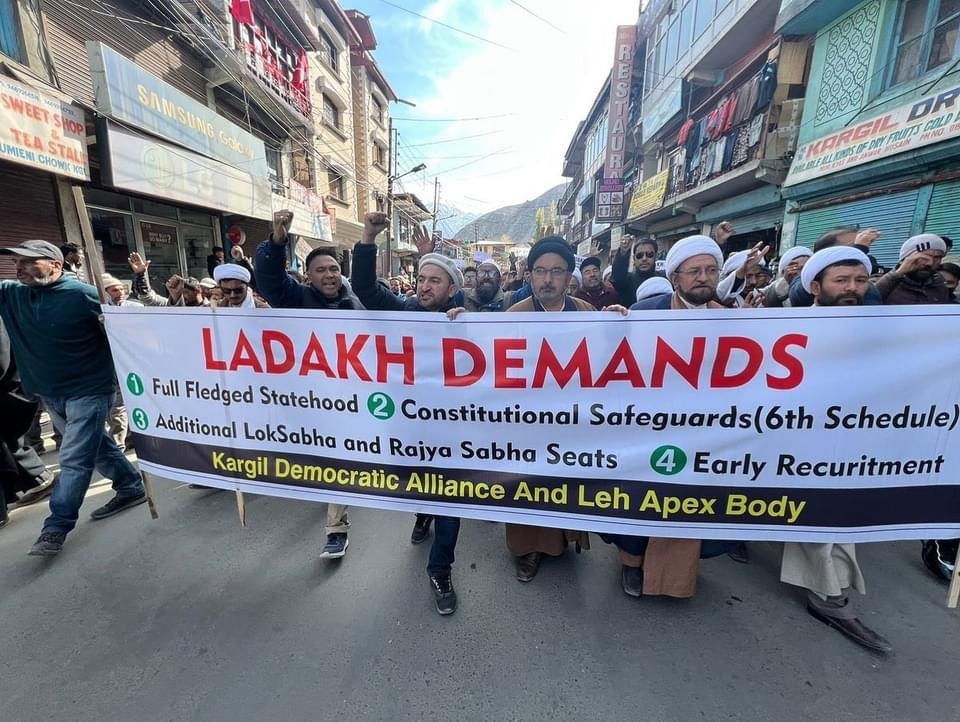
LS Polls: Sixth Schedule, Employment Key Issues In Ladakh
As Ladakh votes to elect its MP for the first time since the abrogation of Article 370 of the Constitution, safeguards under the sixth schedule, statehood and employment are the key issues in the two distant districts of the constituency...

2 Youth Drown In River Tawi In Jammu, Rescue Operation Launched
Two youth drowned in river Tawi last evening in Manwal area of Jammu district even as the search operation is underway to trace the bodies, officials said on Saturday.

Former Police Officer Arrested For Violating Official Secrets Act In J&K
A former police officer has been arrested under the Official Secrets Act for publishing ‘sensitive information’ in his recently released book here, officials said on Saturday.

No Power In World Can Revive Article 370: PM Modi
Those dreaming of reviving Article 370 in Kashmir should remember that no power in the world can do so, Prime Minister Narendra Modi said at a rally in Mumbai on Friday.
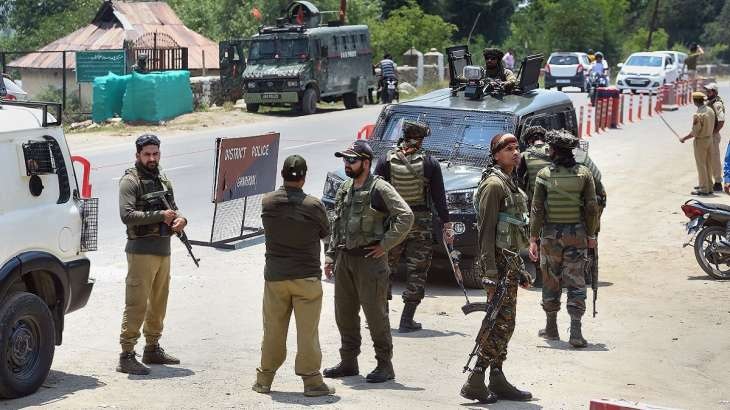
Security Beefed Up In North Kashmir On Election Eve
In anticipation of the Lok Sabha polls, extra security measures have been implemented in Jammu and Kashmir's Baramulla constituency to ensure incident-free elections, officials said on Friday.



Video: Beyond The Headlines | Shakeel Qalandar In Conversation With Nazir Ganaie